




Romania C&I BESS Market 2025: Incentives, Grid Drivers & Commercial Opportunity
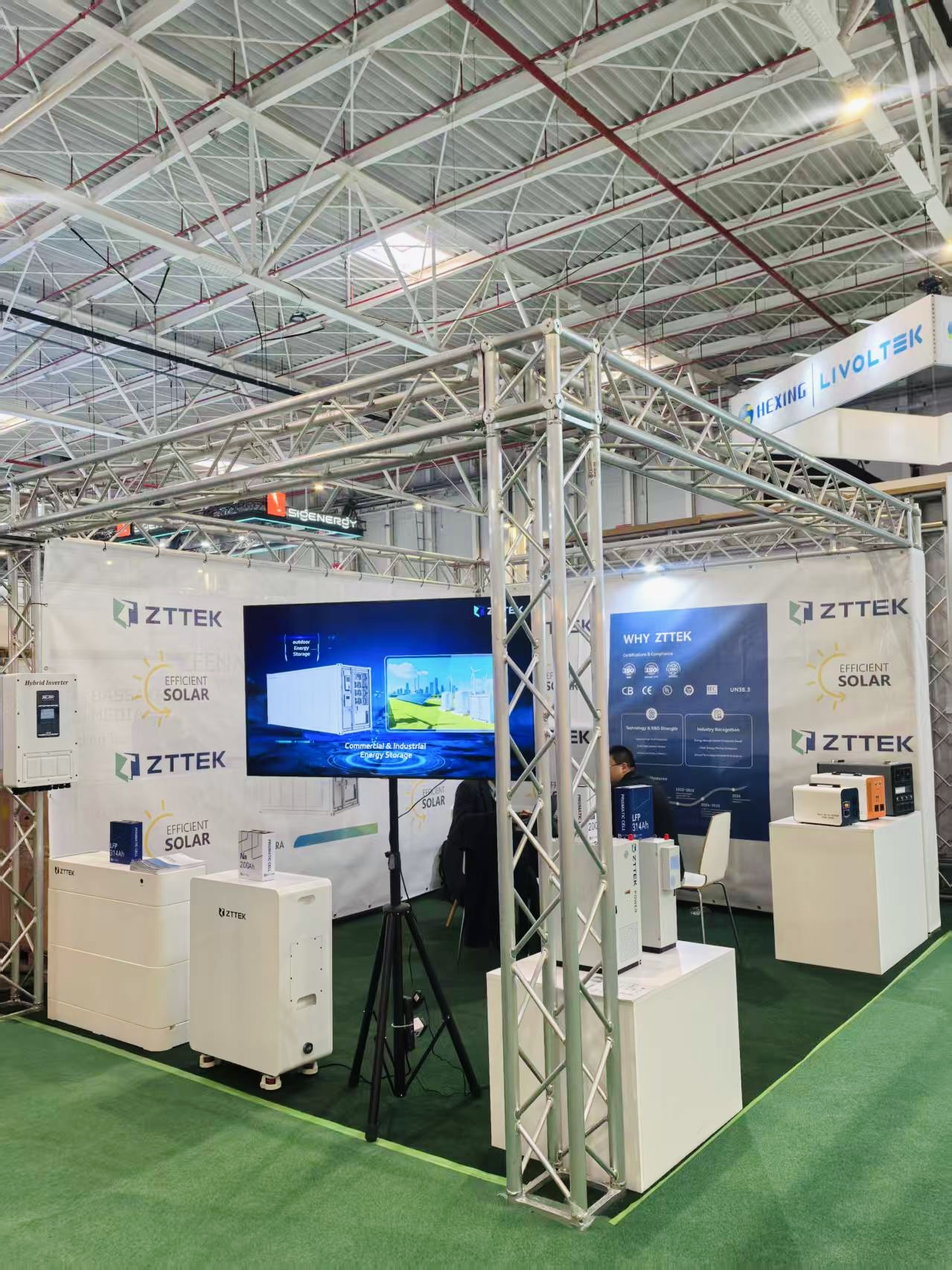
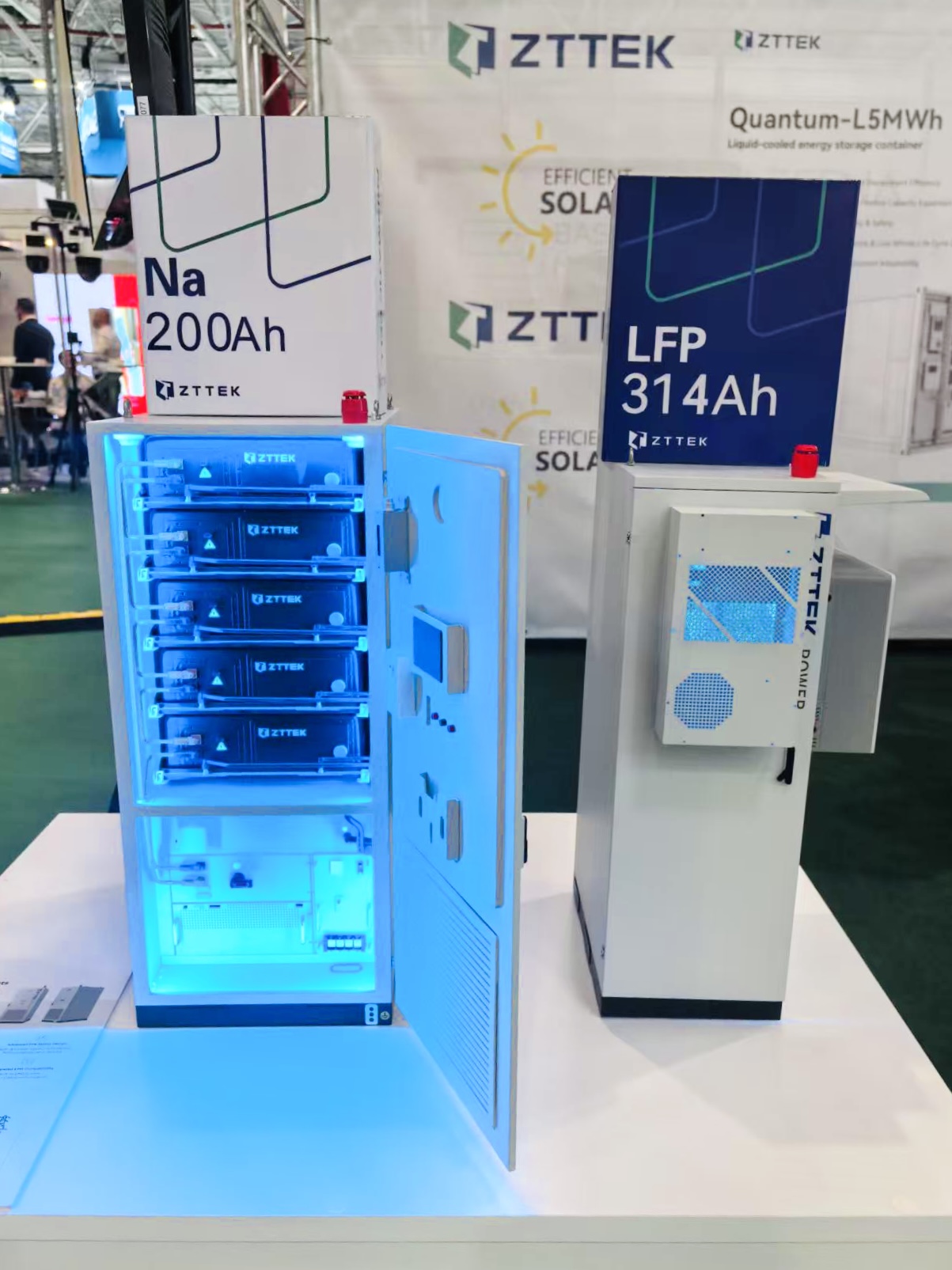
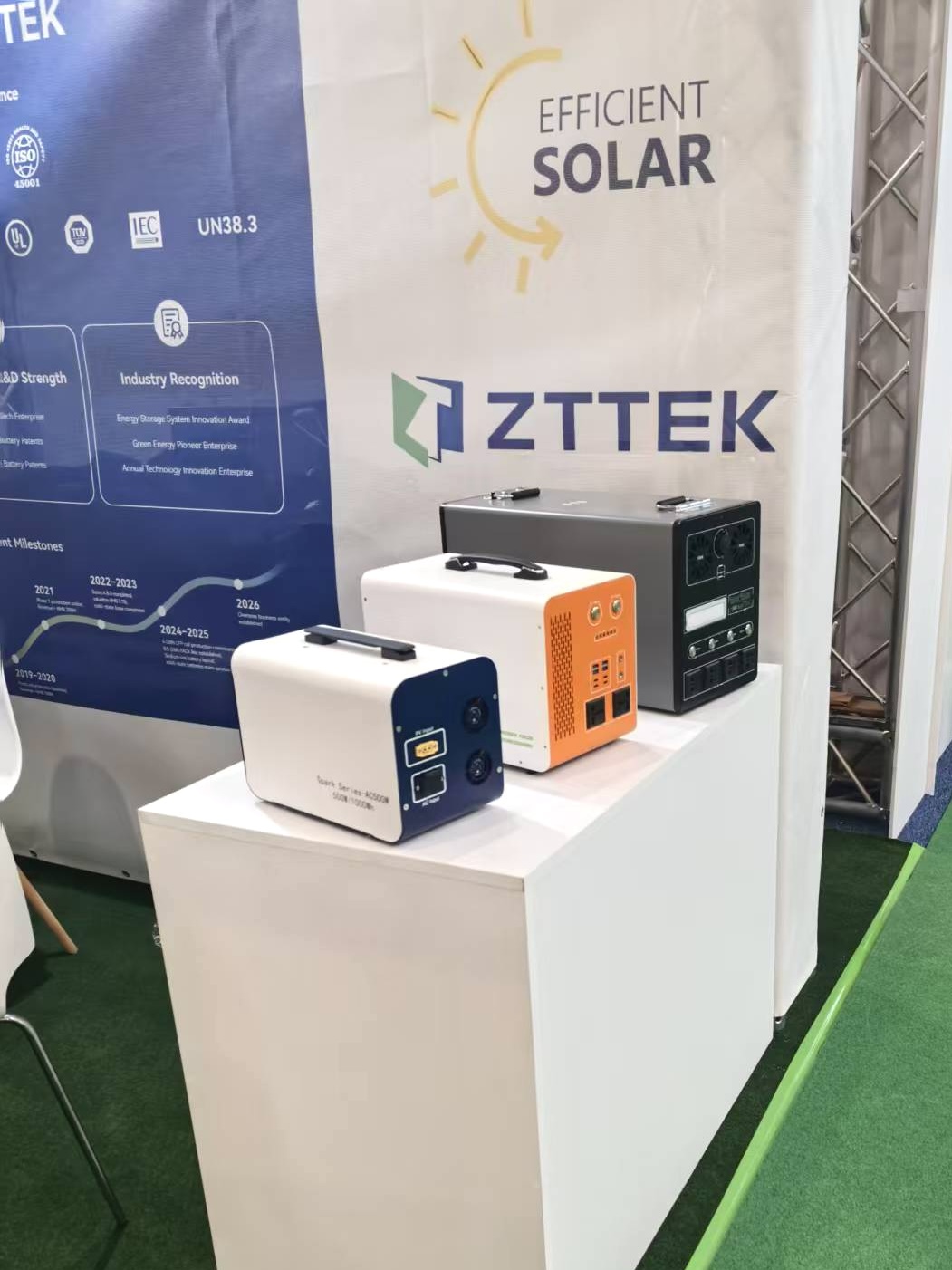
Romania has moved from an almost negligible energy storage base to one of Europe’s fastest-developing BESS markets in under three years. For commercial and industrial operators, the combination of grid pressure, generous public funding, and improving market economics is creating a genuine investment window — one that is open now, but will not stay as wide indefinitely.
This article breaks down what’s driving the market, which policy mechanisms matter most for C&I projects, and what operators need to understand about the commercial fundamentals before entering.
Why Romania’s Grid Is the Starting Point for Any Storage Conversation
Understanding Romania’s BESS opportunity requires starting with the grid. The country has added solar capacity rapidly in recent years — in the first seven months of 2024 alone, utility-scale solar output jumped 55% year-on-year. That growth is positive for decarbonization, but it has outpaced the ability of the transmission network to absorb it cleanly.
The consequences are tangible: increasing frequency of zero and negative electricity price events during peak solar generation hours, curtailment pressure on renewable assets, and grid stability concerns that the transmission operator Transelectrica cannot address through infrastructure investment alone on any short-term timescale. Rebuilding Romania’s grid to match its renewable ambitions is a decades-long project. Battery storage — deployable in months — is the near-term answer.
This creates a structural demand signal for storage that exists independently of any specific policy program. It also creates a favorable revenue environment: grid auxiliary services in Romania are well-remunerated precisely because the system needs them urgently.
The Revenue Stack: What Makes Romania Commercially Attractive
For C&I operators evaluating BESS projects on financial terms, Romania’s market fundamentals are among the strongest in Central and Eastern Europe.
Wholesale price spreads. In 2025, Romania’s day-ahead electricity market recorded an average price of €110/MWh, with a Maximum Daily Price Spread (MDPS) reaching €168/MWh. The MDPS — the difference between the peak and trough hourly price within a single day — is the key indicator of wholesale arbitrage potential for storage. A spread at this level means that a well-operated BESS can generate substantial revenue through price arbitrage alone, before any ancillary service income is counted.
Ancillary services. Frequency Containment Reserve (FCR) prices averaged around €70/MW per hour in 2025 — among the most attractive in Europe. Automatic Frequency Restoration Reserve (aFRR) offers additional revenue, with up and down prices close to €9/MW per hour. For C&I BESS projects with grid connection capability, stacking wholesale arbitrage with ancillary service participation significantly improves the investment return profile. Independent analysis projects annualized BESS revenues of approximately €120–180/kW for well-structured projects, with double-digit IRRs expected for projects entering operation in 2026.
The double taxation reform. Until 2025, a critical structural barrier suppressed commercial storage economics in Romania: electricity stored in batteries and subsequently dispatched was taxed twice — once on charging, and again on discharging — with transmission tariffs, distribution tariffs, system service fees, and green certificate levies applied at each stage. Romania’s energy regulator ANRE eliminated this double taxation in 2025. The practical effect is a direct improvement in project economics for any BESS that participates in the grid. This single regulatory change materially alters the return profile of projects that were previously marginal.
Policy and Funding Mechanisms for C&I BESS in Romania
Romania’s public funding landscape for C&I battery storage has expanded significantly since 2022, and the direction of travel from the government is clearly supportive of storage investment.
PNRR (National Recovery and Resilience Plan). Romania’s PNRR allocated €80 million for energy storage projects. Grants are available in the form of reimbursement of eligible expenses, with a maximum of €167,000 per MWh installed and €15 million per project. Eligible applicants span micro-enterprises through to large companies. Projects must be implemented within defined program timelines, creating urgency for developers.
Modernization Fund — Behind-the-Meter Scheme. In late 2024, the Ministry of Energy launched a €150 million competitive grant program specifically targeting behind-the-meter BESS co-located with existing renewable energy facilities (solar, wind, or hydro). Storage systems must absorb at least 75% of the connected renewable facility’s annual output. A further €150 million tranche followed, receiving European Commission approval in early 2026 under the Clean Industrial Deal State Aid Framework — Romania’s first approval under this framework — targeting at least 2,174 MWh of additional standalone storage capacity.
Municipal storage program. An additional €150 million program was launched in late 2025, targeting battery storage projects across Romanian municipalities — opening a channel for public-sector and mixed-ownership C&I projects.
CfD scheme. Romania became the first EU country to implement a Contracts for Difference scheme using European funding, with €3 billion allocated for renewable energy projects including storage-integrated configurations. The CfD mechanism provides long-term price stability that reduces financing risk for developers combining solar and BESS.
For C&I projects, the practical implication is that a significant share of upfront capital can be covered by non-reimbursable grants — substantially improving project economics and reducing the payback period on the equity component.
What C&I Operators Are Deploying Storage For in Romania
The demand drivers for commercial and industrial BESS in Romania cluster around three core use cases, which are often combined in a single project.
Solar asset optimization. Many Romanian businesses installed ground-mounted or rooftop solar in recent years. Adding storage enables these assets to perform better: midday generation that would otherwise be curtailed or exported at zero or negative prices can be stored and dispatched during evening peak demand periods. The Modernization Fund’s behind-the-meter scheme is explicitly designed to incentivize this configuration.
Energy cost management. Romanian industrial electricity tariffs have risen substantially and continue on an upward trajectory. C&I operators facing above-inflation cost increases are motivated to reduce grid dependence — storing cheap midday solar, displacing expensive peak-hour grid power, and participating in demand response programs where available.
Grid services and revenue generation. For C&I operators with larger installations and grid connection agreements, participation in FCR and aFRR markets provides an additional revenue stream that is independent of on-site energy dynamics. Given Romania’s current FCR pricing, this can be a material contribution to project returns.
The Broader Market Context: Romania in the CEE Picture
Romania’s storage market is not developing in isolation. Across Central and Eastern Europe, the combination of rapid solar buildout, grid congestion, and EU-backed funding is driving BESS development in multiple markets simultaneously — but Romania stands out for the depth of its available incentive stack and the attractiveness of its ancillary service pricing.
The utility-scale market is already moving: the country commissioned its largest BESS to date (200 MW/400 MWh) in December 2025, with a 250 MW/500 MWh project under construction and a pipeline of further gigawatt-scale development planned by major developers. This large-scale buildout validates Romania as a storage market for international capital and develops local technical expertise — both of which benefit the C&I segment indirectly.
The government’s stated targets remain ambitious: 2.5 GW of storage installed by end-2025, and more than 5 GW by 2026. Whether these precise milestones are met, the policy direction and institutional commitment they represent is not in question.
Key Considerations for C&I BESS Projects in Romania
A few practical factors are worth noting for operators evaluating the Romanian market:
Grid connection timelines. Securing a grid connection agreement with Transelectrica or the relevant distribution operator is a critical path item for any BESS project with grid-services ambitions. Timelines can be extended and should be factored into project planning from the outset.
Local presence and after-sales support. Romanian C&I buyers increasingly scrutinize supplier service capability — not just at the point of sale, but for the life of the project. A BESS system with no credible local maintenance and support infrastructure creates operational risk that financially sophisticated buyers are unwilling to accept.
System integration with existing solar assets. For projects co-locating with existing PV installations, compatibility between the BESS, solar inverter, and EMS is a technical requirement that must be validated early. The quality of the EMS — its ability to optimize dispatch across multiple value streams simultaneously — has a direct impact on realized project returns.
Regulatory evolution. Romania’s storage regulatory framework is still developing. The elimination of double taxation was a significant positive step; further changes affecting market access, metering, and balancing mechanisms are possible. Engaging legal and regulatory expertise with specific Romanian energy market knowledge is advisable for projects above a certain scale.
Conclusion
Romania offers one of the more compelling C&I BESS investment environments in Europe right now: a grid that structurally needs storage, electricity price dynamics that support robust returns, a well-funded subsidy stack that significantly reduces upfront capital requirements, and a regulatory reform (double taxation elimination) that directly improves project economics.
The funded programs that are currently open carry implementation deadlines. The double-digit return projections are partly a function of being early in a developing market — a window that will narrow as more projects come online and ancillary service markets become more competitive.
For C&I operators with existing solar assets in Romania, or for developers evaluating new-build storage projects, the market fundamentals argue for action in the near term.
ZTTEK offers C&I BESS solutions designed for the Romanian market. Contact us / Learn more about our products.
Sentinal 261 Energy Storage Cabinet
Sentinal 100 C&I All-in-one BESS